
Head Lice 101: A Parent's Guide
Everything parents need to know about head lice—from how to spot them and understand the life cycle to how they spread, what to do, and when to seek professional help.
WHAT ARE HEAD LICE?
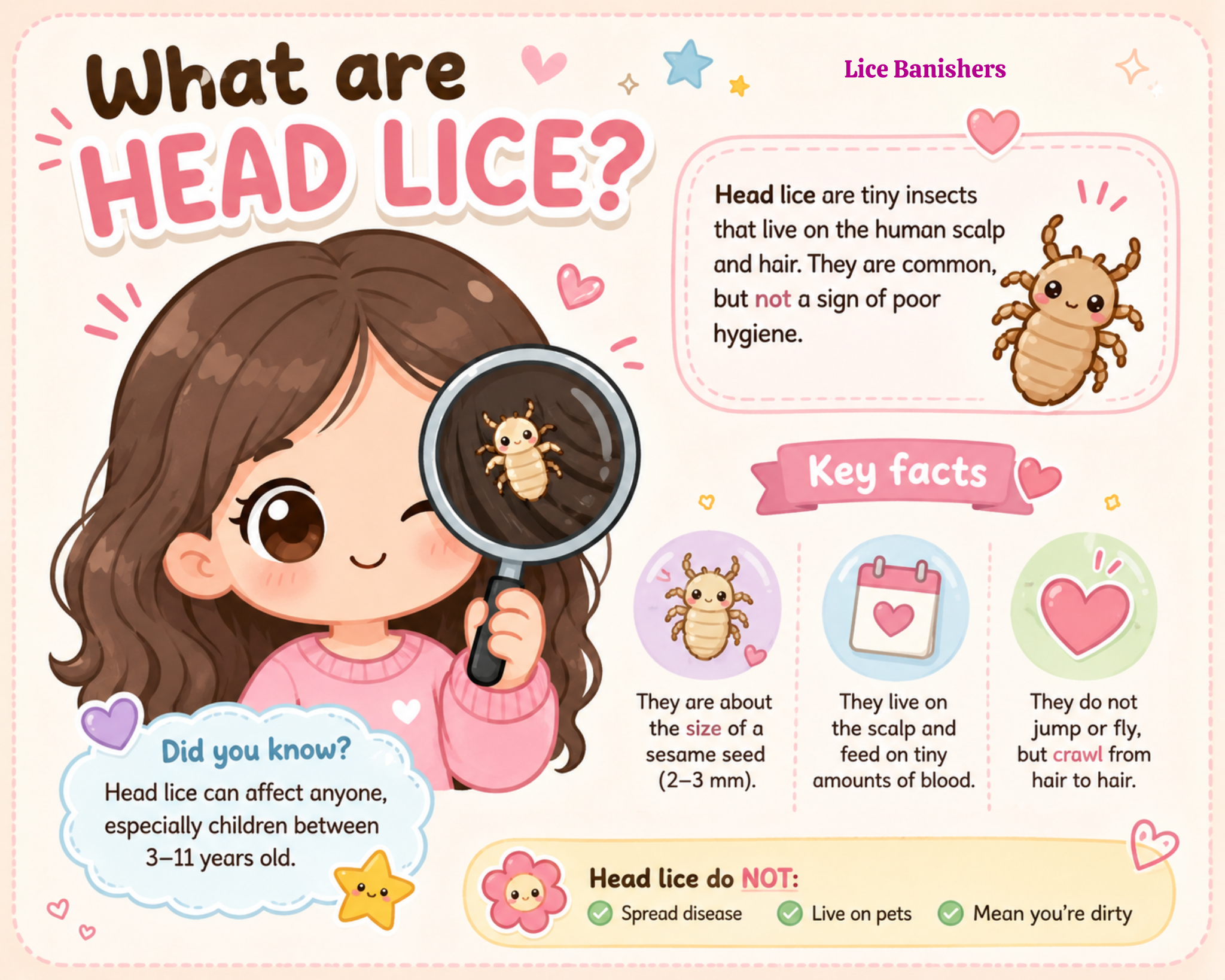
Head lice are tiny, wingless insects that live on the human scalp and feed on small amounts of human blood. They are highly adapted to living in human hair and are most commonly spread through direct head-to-head contact.
Head lice do not fly or jump. They move by crawling from one hair strand to another, usually when heads come into close contact.
Anyone can get head lice, regardless of age, hair type, or personal hygiene. Having head lice is not a sign of being dirty or having poor hygiene.
The Head Lice Life Cycle
Head lice go through three main stages of development: Nits, Nymphs, and Adult Lice. Understanding each stage can help you recognize an active infestation and know why thorough nit removal is so important.
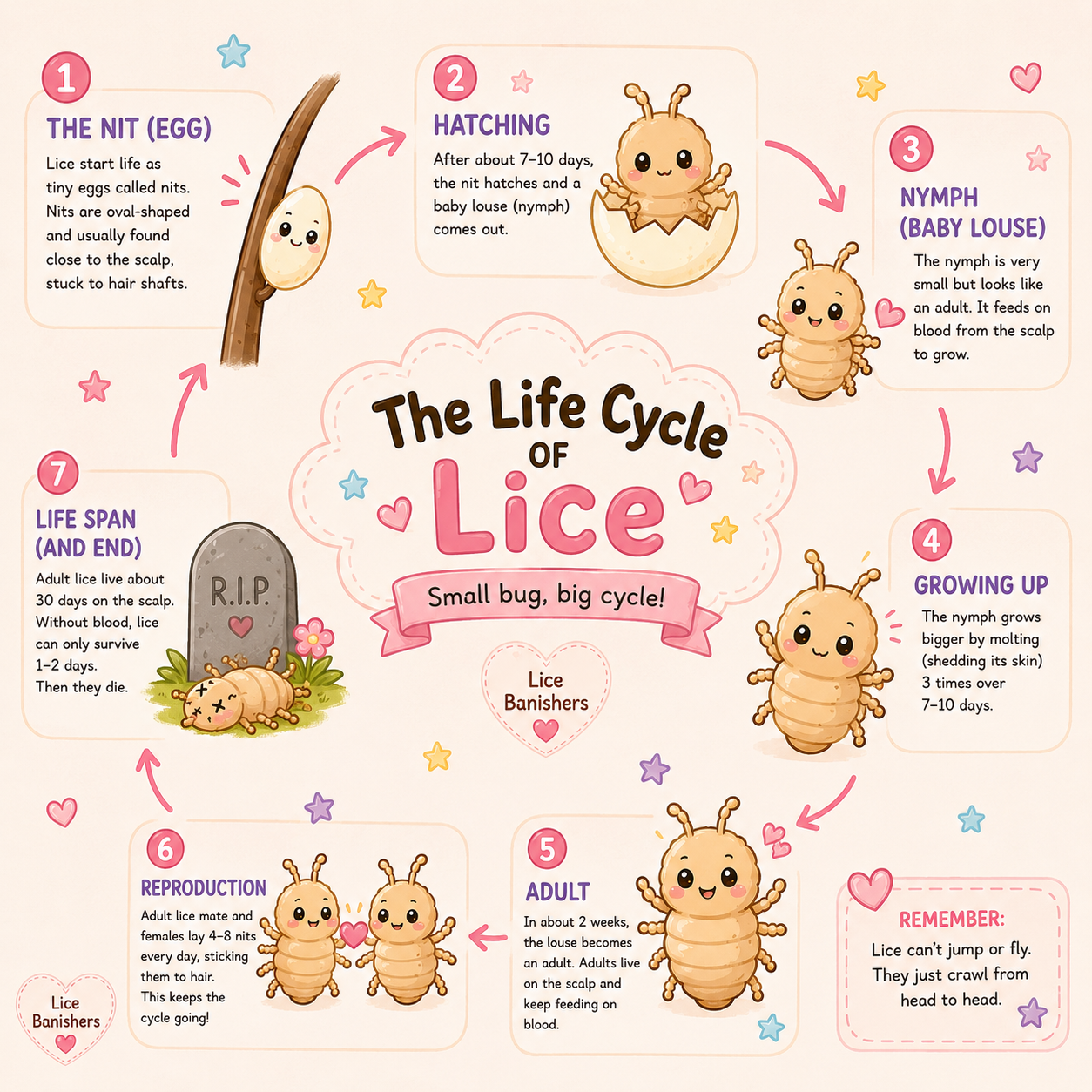
NITS — LICE EGGS
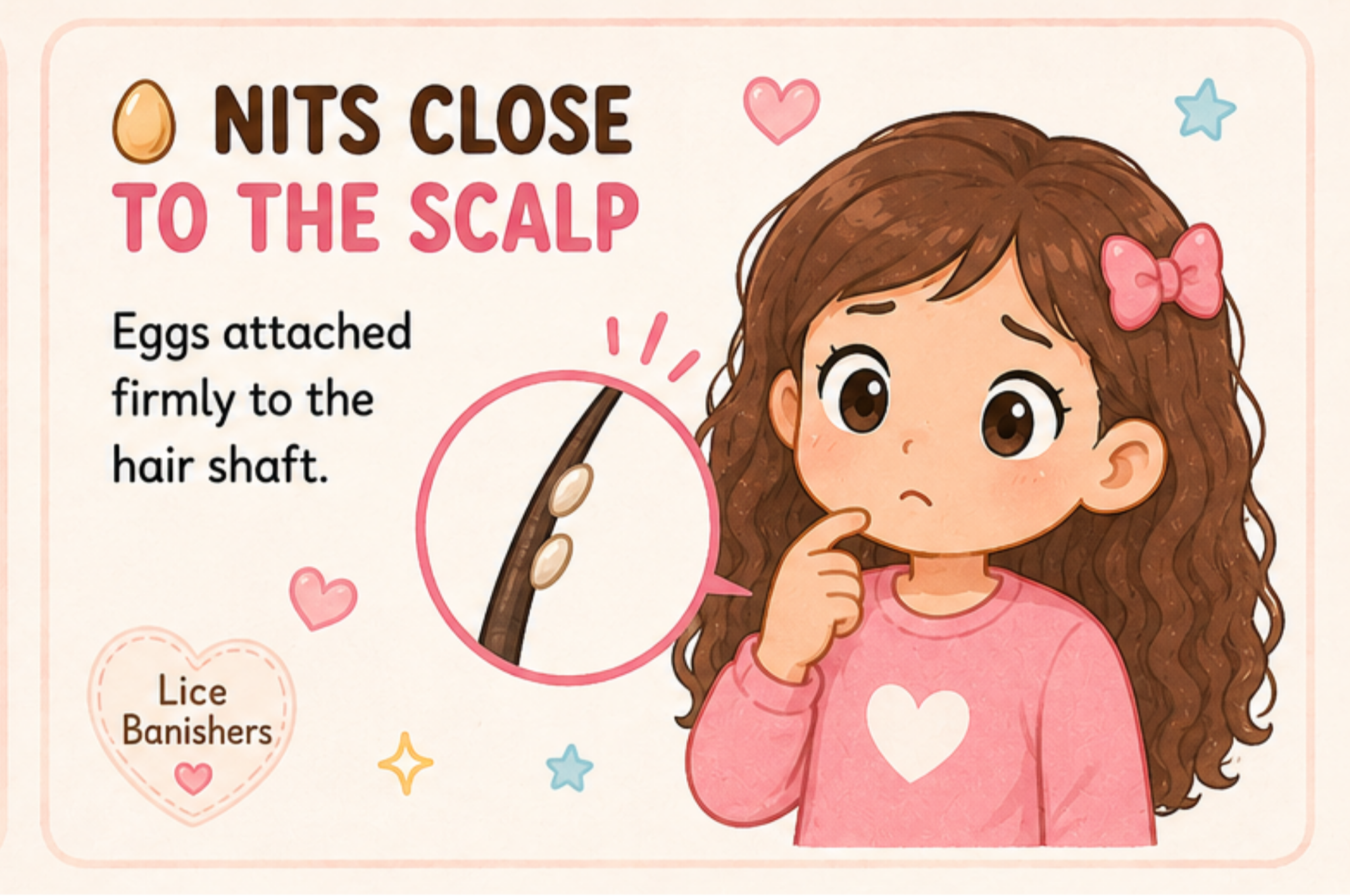
Nits are head lice eggs laid by an adult female louse, usually attached to individual hair strands close to the scalp.
Nits are very small, measuring approximately 0.8 mm in length — about the size of a poppy seed.
They are oval-shaped and firmly attached to the hair with a glue-like substance produced by the female louse.
Nits can appear yellowish, grayish, or whitish and may blend in with the color of the hair.
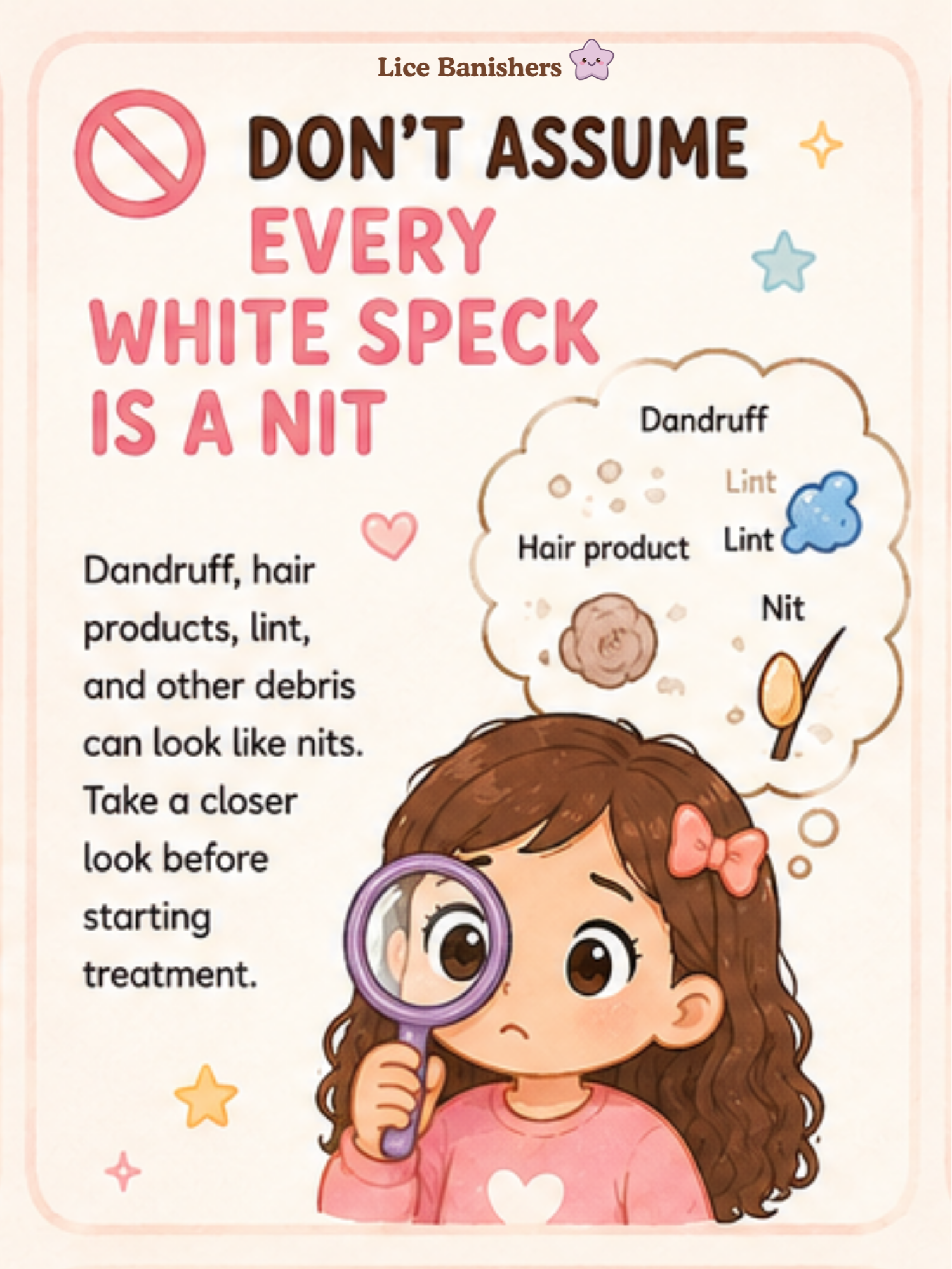
Unlike dandruff or other debris, viable nits are firmly attached to the hair shaft and do not easily slide off.
Nits located close to the scalp can hatch in approximately 6–9 days.
Once a nit hatches, a nymph emerges.
Why Nits Matter
Because nits are securely attached to the hair, simply washing or brushing the hair is usually not enough to remove them. Careful, thorough removal is an important part of professional lice treatment.
NYMPHS — IMMATURE LICE
When a nit hatches, a nymph emerges.
Nymphs look like smaller versions of adult head lice.
They have six legs, each ending in a claw that helps them grip the hair.
Nymphs must feed on human blood several times a day to survive.
As the nymph grows, it molts three times.
After the final molt, the nymph becomes a sexually mature adult louse.
The nymph stage lasts approximately 9–12 days.
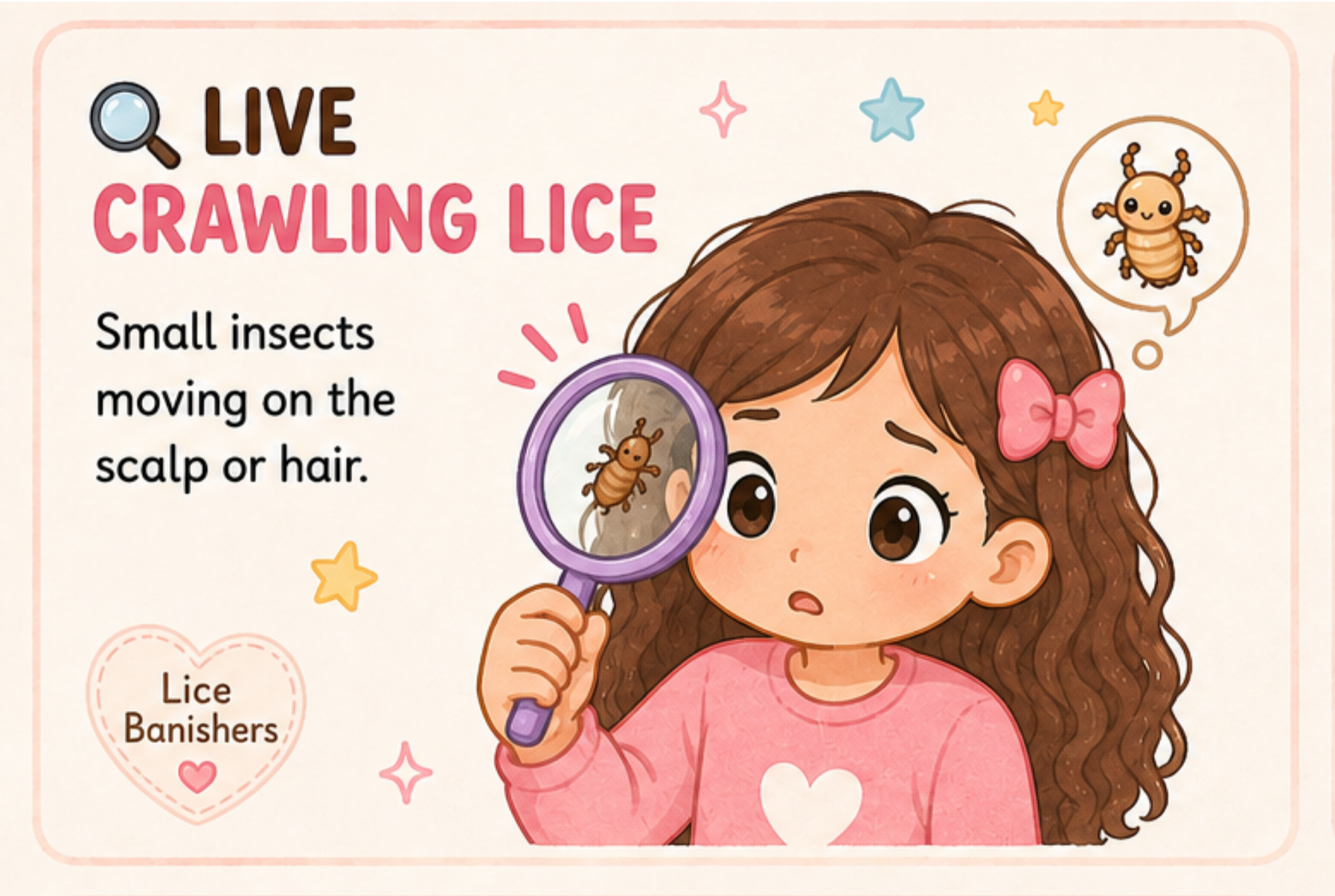
Nymphs are smaller and can be more difficult to spot than adult lice, especially during the early stages of an infestation.
ADULT LICE
A fully grown adult head louse is approximately 2–3 mm long — about the size of a sesame seed.
Adult lice have six legs with claws designed to grip hair.
They are wingless and cannot fly or jump.
Lice move by crawling and are most commonly spread through direct head-to-head contact.
Their bodies can appear grayish, tan, or brownish and may blend in with the color of the host's hair.
Adult lice feed on human blood several times a day.
An adult louse can live for approximately 30 days on the human scalp.
Female lice lay multiple eggs during their adult life, continuing the life cycle.
What Happens When a Louse Leaves the Head?
Head lice depend on the human scalp for warmth and regular access to blood. Once separated from the scalp, a louse generally survives only about 1–2 days and cannot reproduce without a human host.
The Lice Life Cycle at a Glance
NIT → NYMPH → ADULT LOUSE → NITS
A nit hatches and becomes a nymph.
The nymph grows and molts until it becomes an adult louse.
The adult female lays new eggs, beginning the cycle again.
That is why finding and removing both live lice and viable nits is important when treating an infestation.
HOW DO HEAD LICE SPREAD?
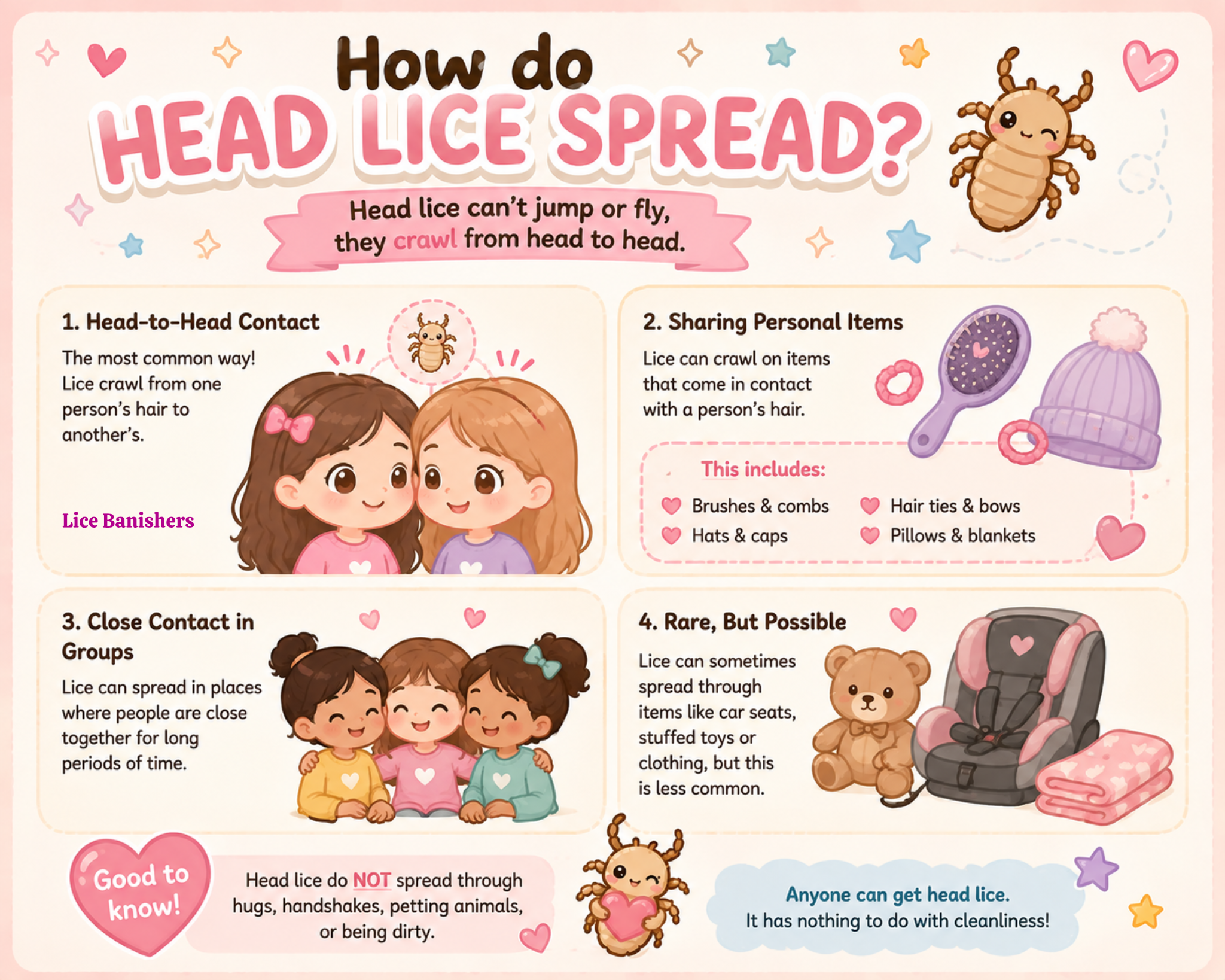
Head lice are most commonly spread through direct head-to-head contact with someone who has live lice.
Because lice crawl, they can move from one person's hair to another when heads come into close contact. This can happen during activities such as playing, hugging, cuddling, taking pictures, or sleepovers.
Head lice can also spread through:
Sharing brushes, combs, or hair accessories
Sharing hats, scarves, or other items that have recently been in contact with the hair
Close contact with pillows, bedding, or clothing that has been recently used by someone with an active infestation
Good to Know
Head lice do not jump or fly. They crawl from hair to hair and depend on a human scalp for their food source.
Head lice are not a sign of poor hygiene. Anyone can get head lice, regardless of age, hair type, or how clean their hair is.

Check Early
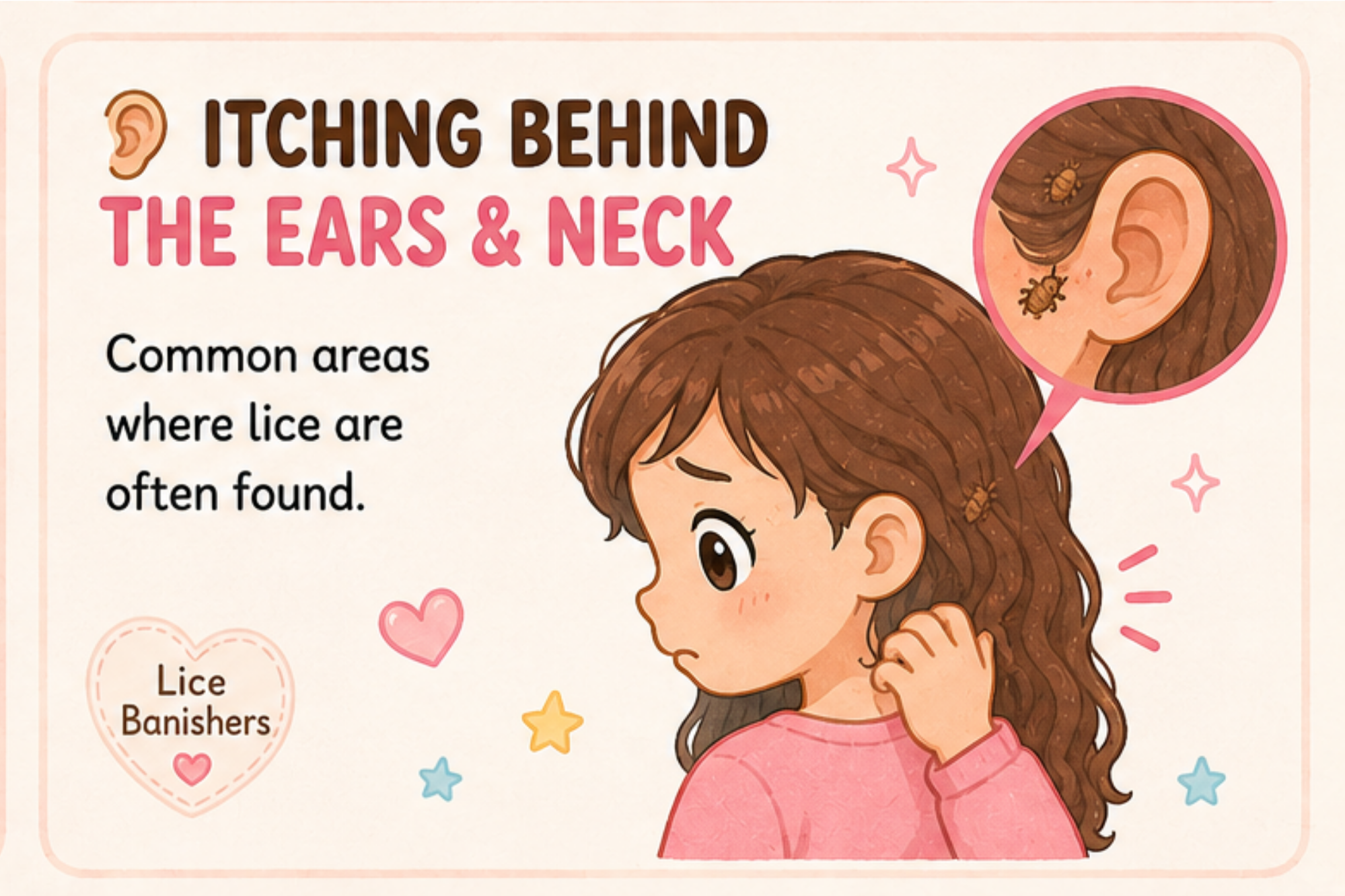
If someone in your household has been exposed to head lice, check the hair carefully, especially behind the ears and at the nape of the neck.
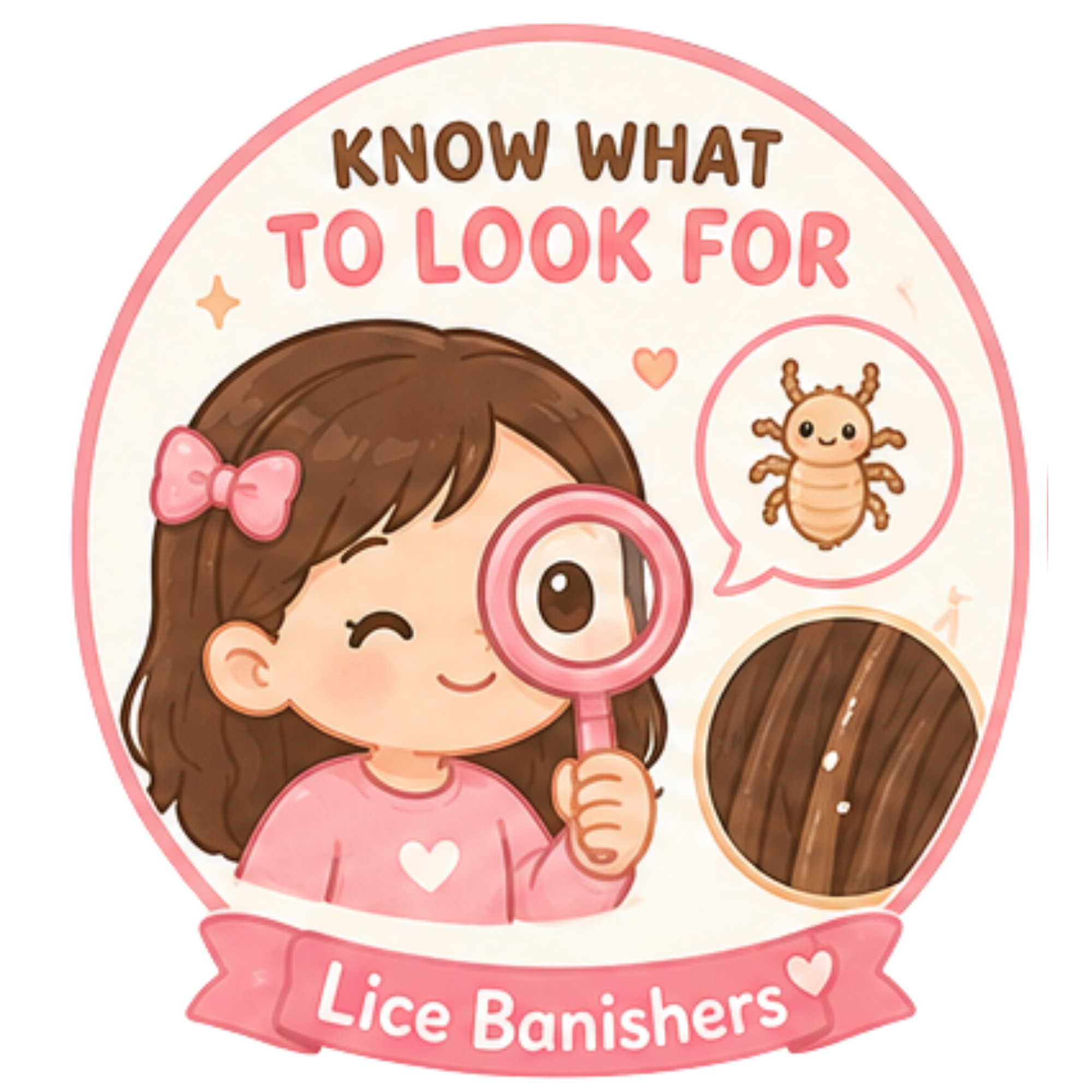
Know What to Look For
Live lice move quickly and can be difficult to spot. Nits are firmly attached to the hair shaft and are often found close to the scalp.
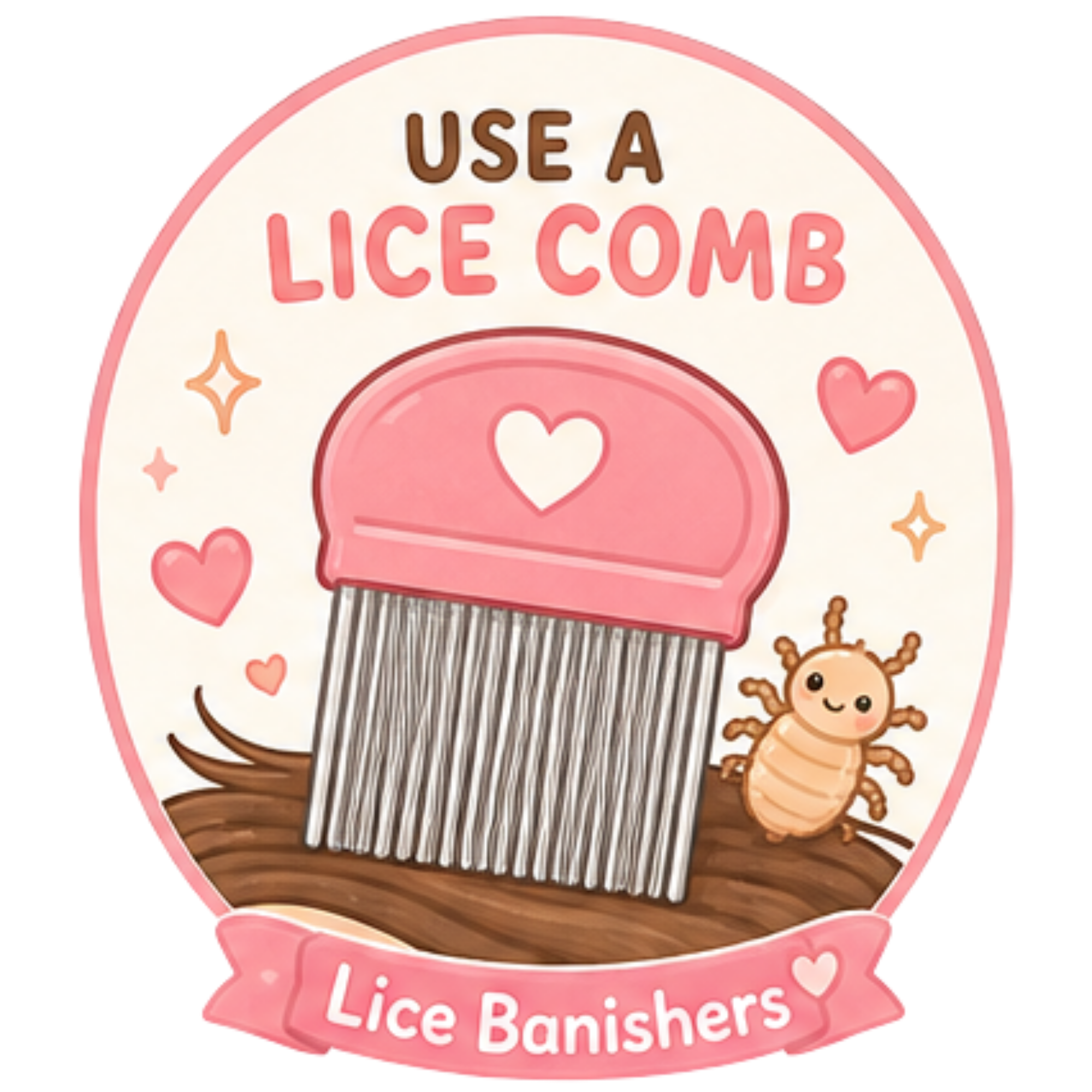
Use a Lice Comb
A fine-tooth lice comb can help detect and remove live lice and nits when used correctly.
Check the Whole Household
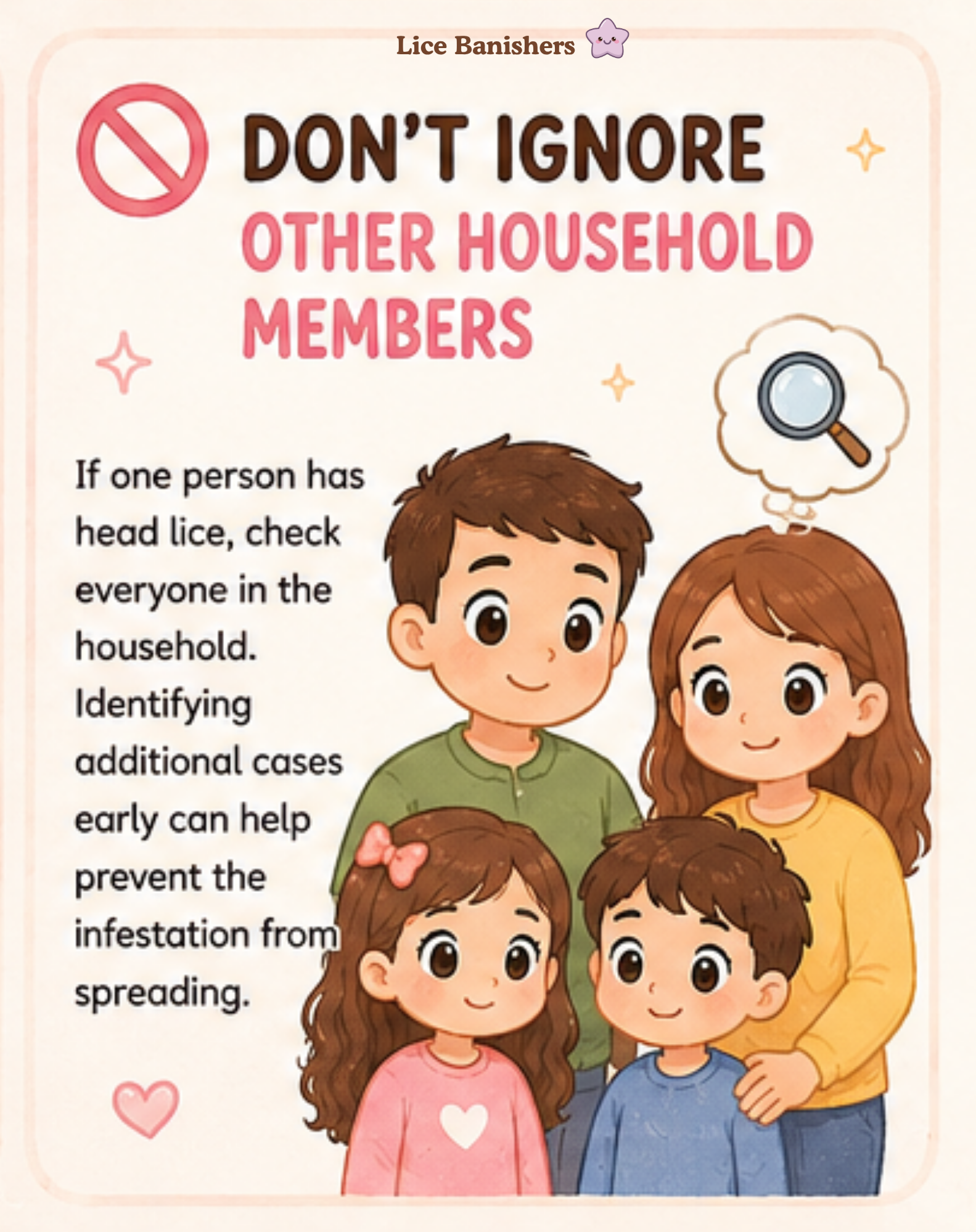
If one person has live lice, check everyone in the household. Treat household members who have live lice according to the appropriate treatment plan.
Avoid Head-to-Head Contact
Until the infestation has been addressed, avoid activities that involve direct head-to-head contact, such as sharing pillows or cuddling head-to-head.
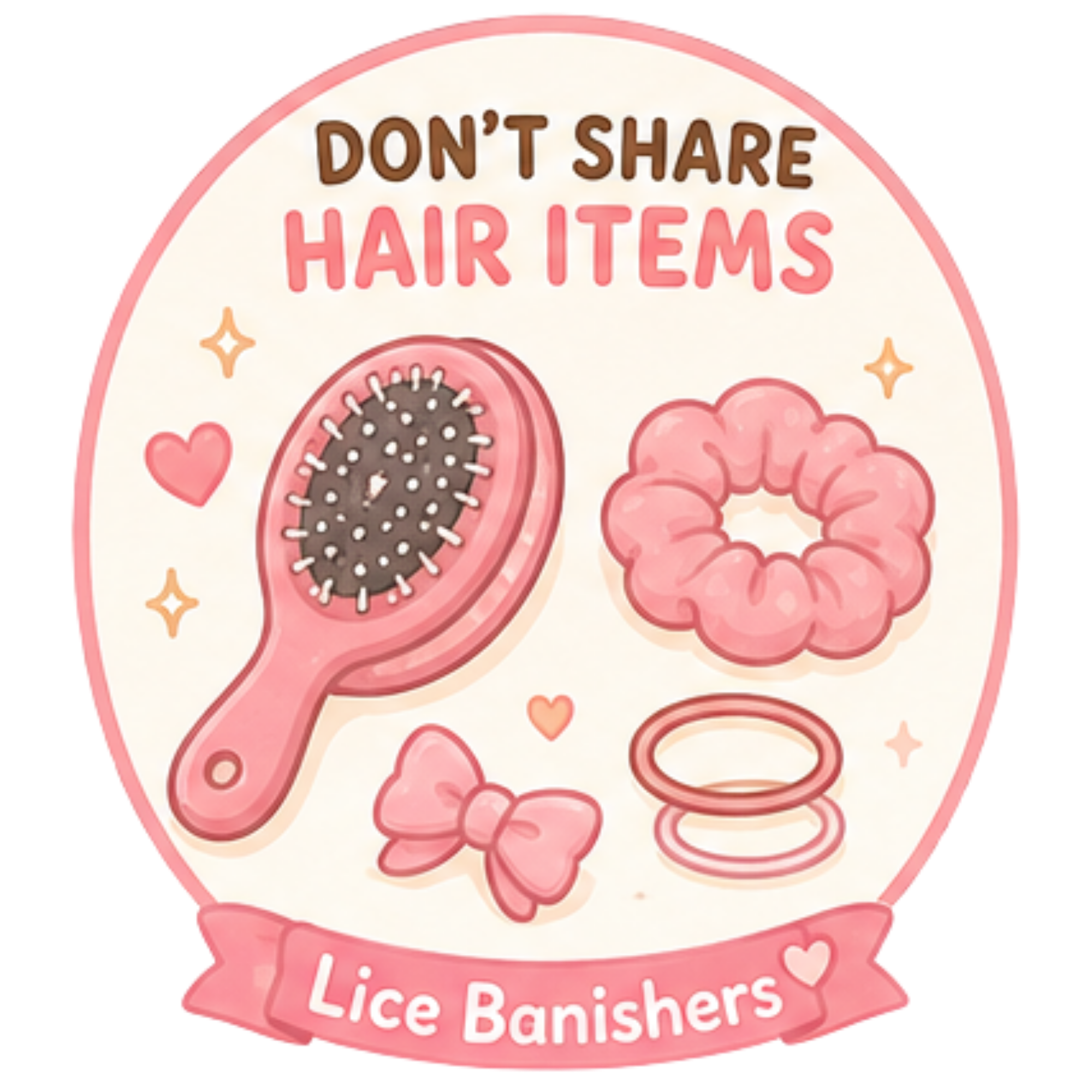
Don't Share Hair Items
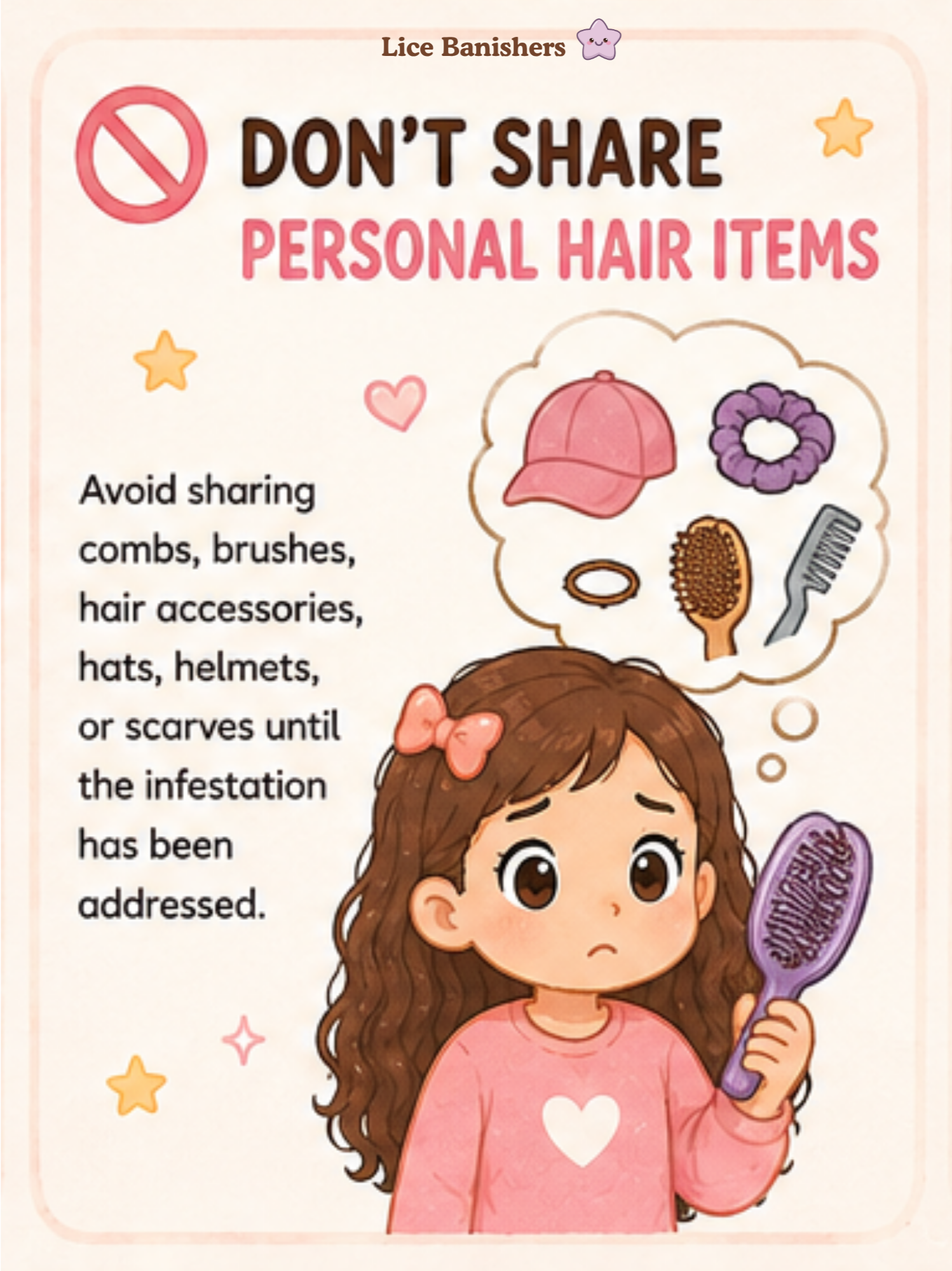
Avoid sharing brushes, combs, hair ties, hats, scarves, and other items that come into direct contact with the hair.
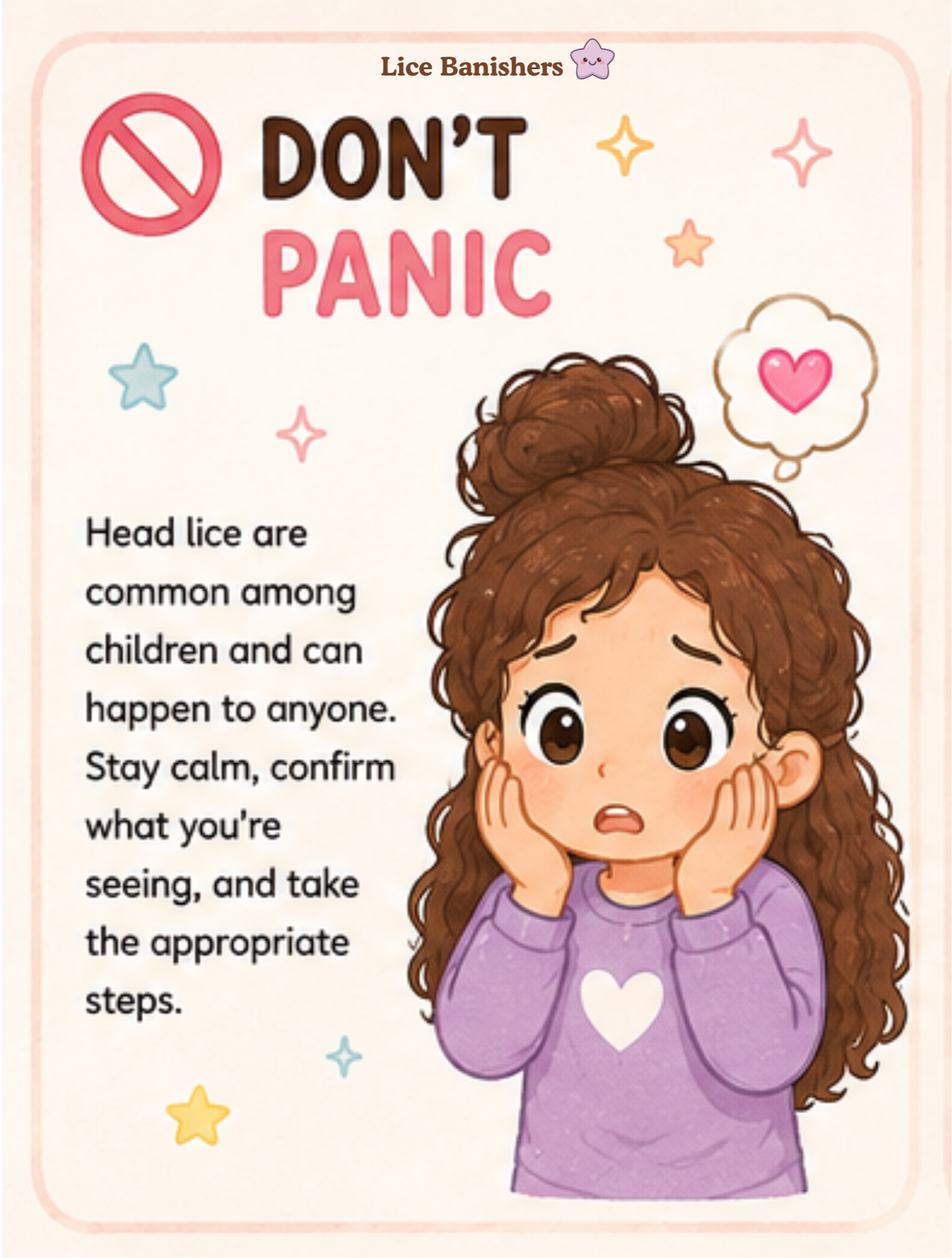
Don't Panic
Head lice are common and treatable. They are not caused by poor hygiene, and having lice is nothing to be embarrassed about.
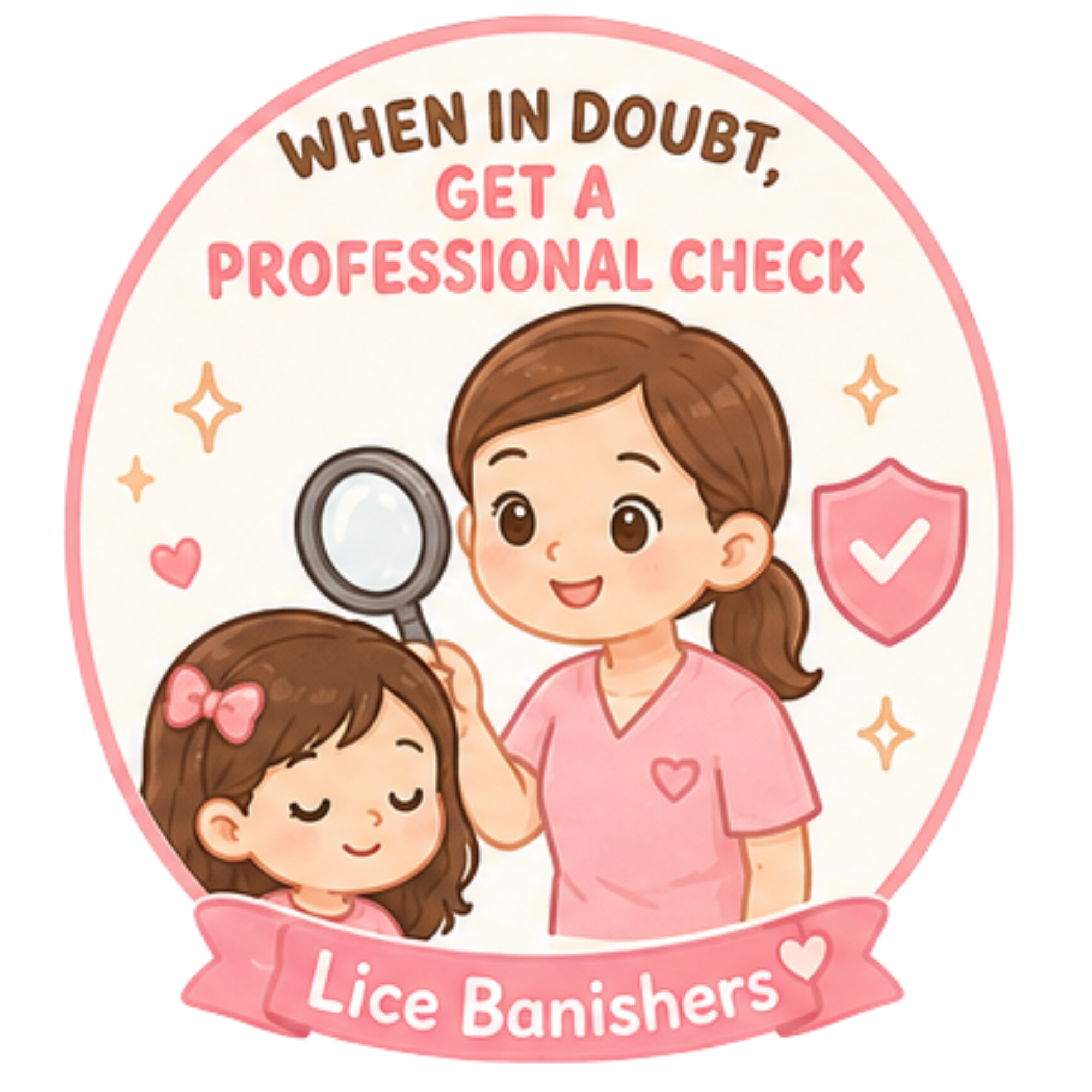
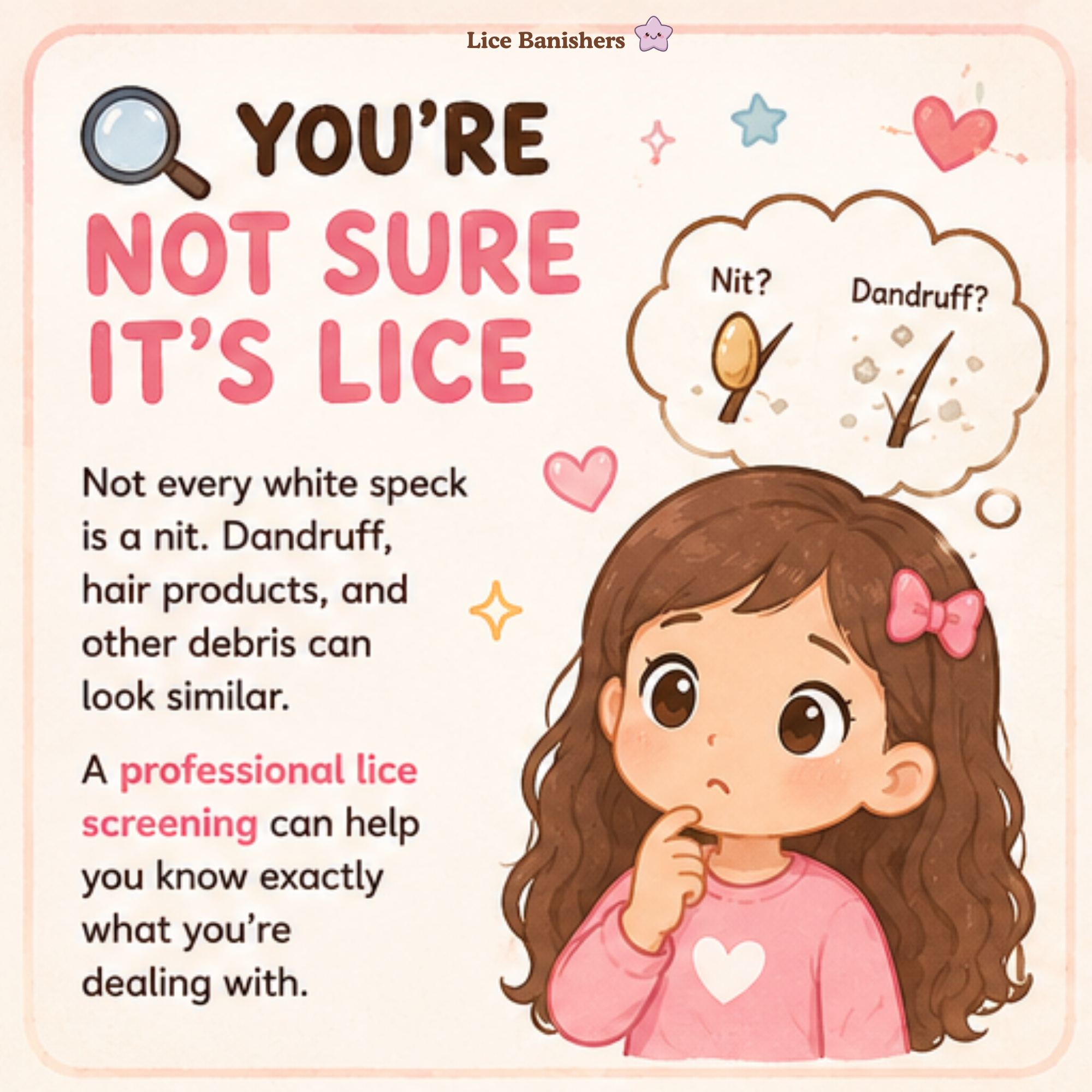
When in Doubt, Get a Professional Check
If you're unsure whether you're seeing lice or nits, a professional lice check can help determine whether there is an active infestation. Lice Banishers offers professional head lice screenings and personalized guidance to help families take the next steps with confidence.
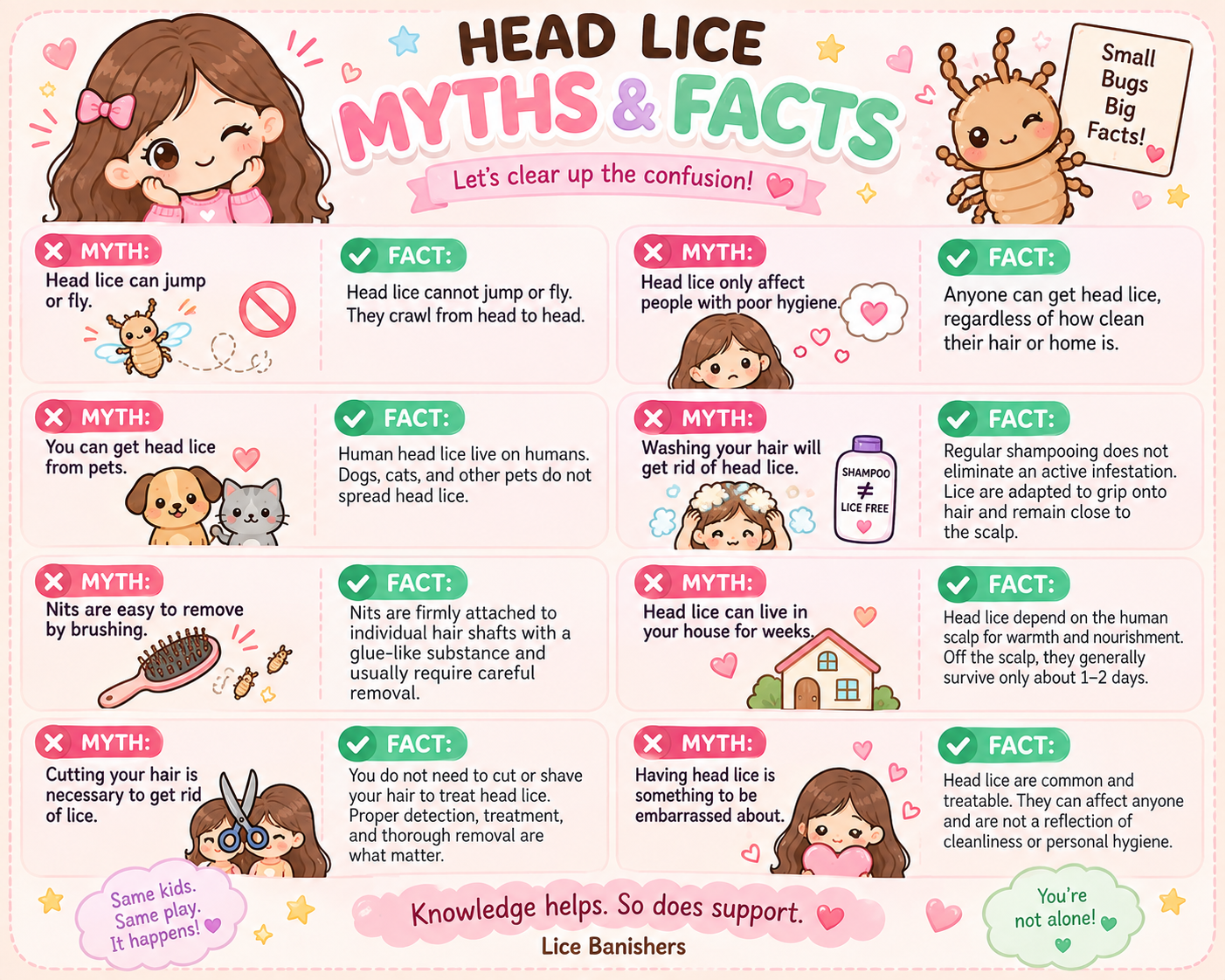
HEAD LICE: MYTHS & FACTS
Not everything you hear about head lice is true! From how they spread to who can get them, let's bust some common myths and learn the facts about these tiny bugs.
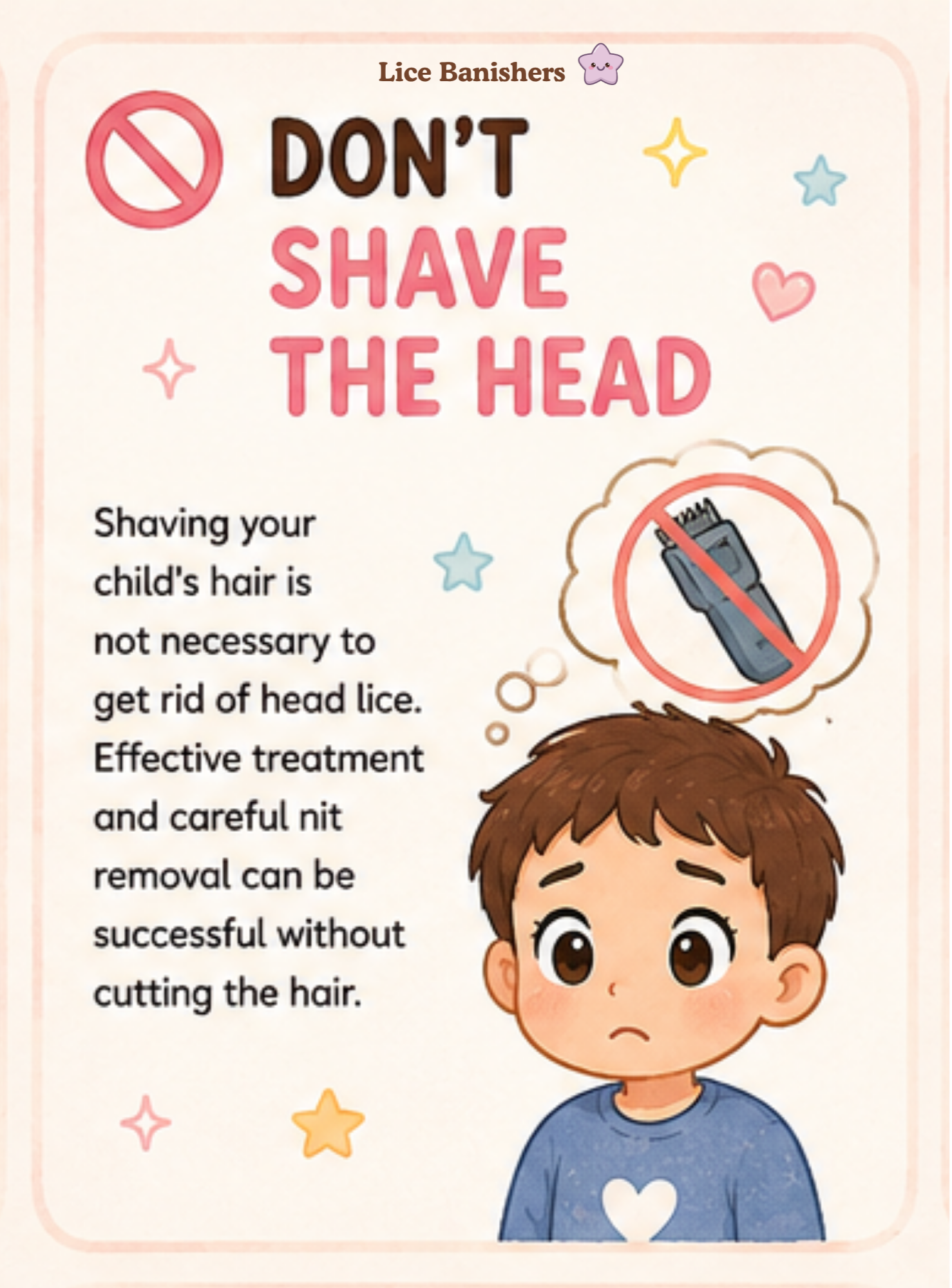
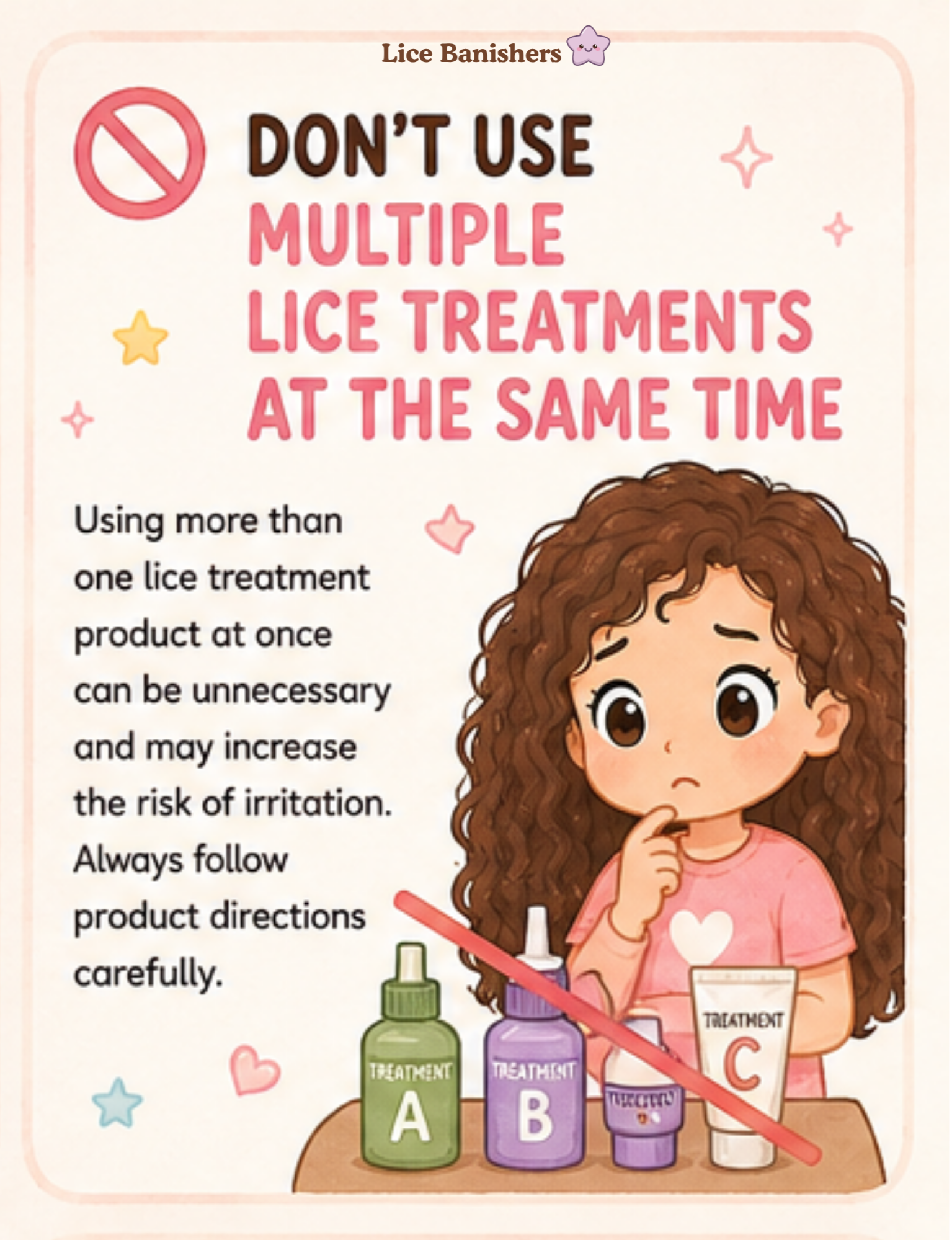
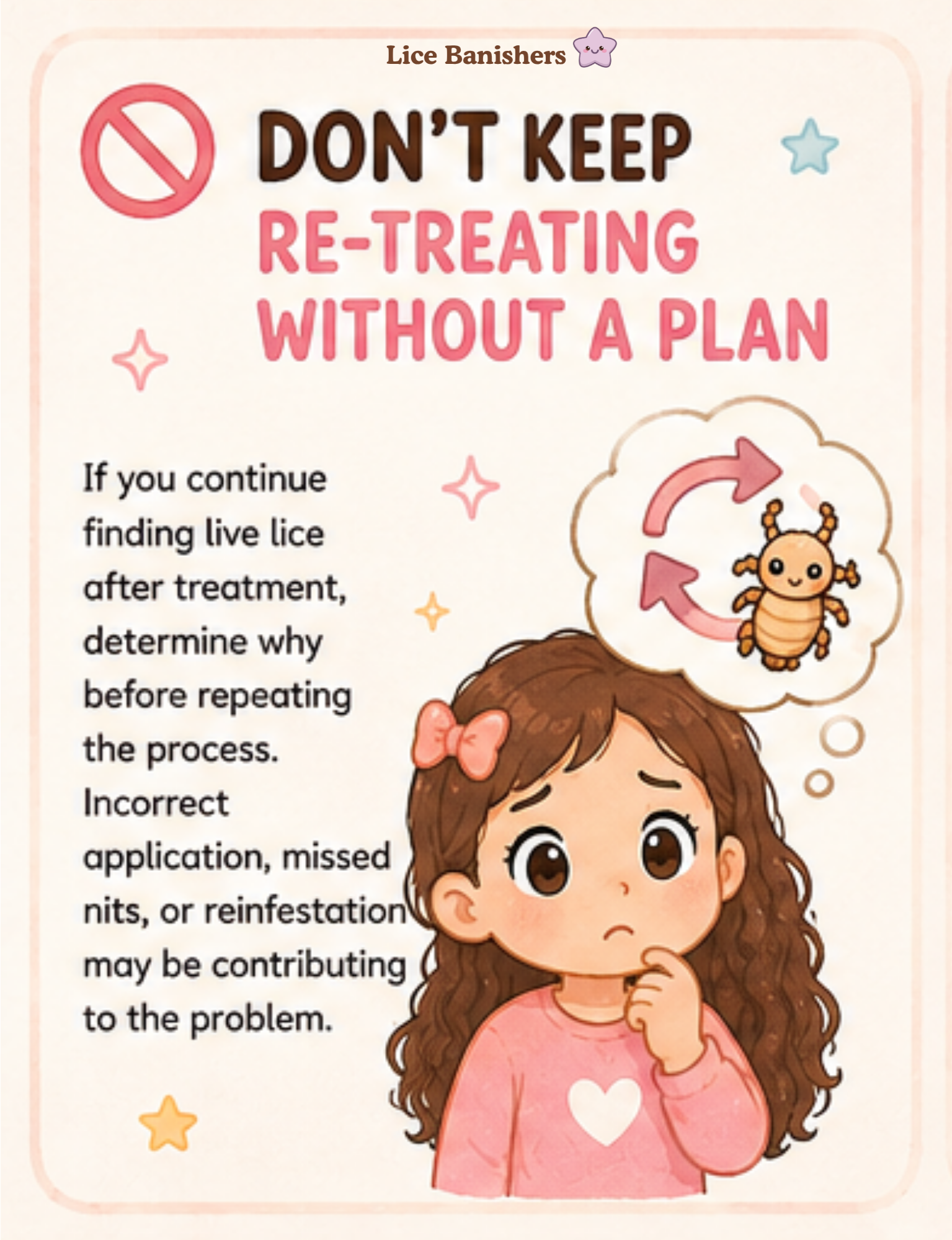
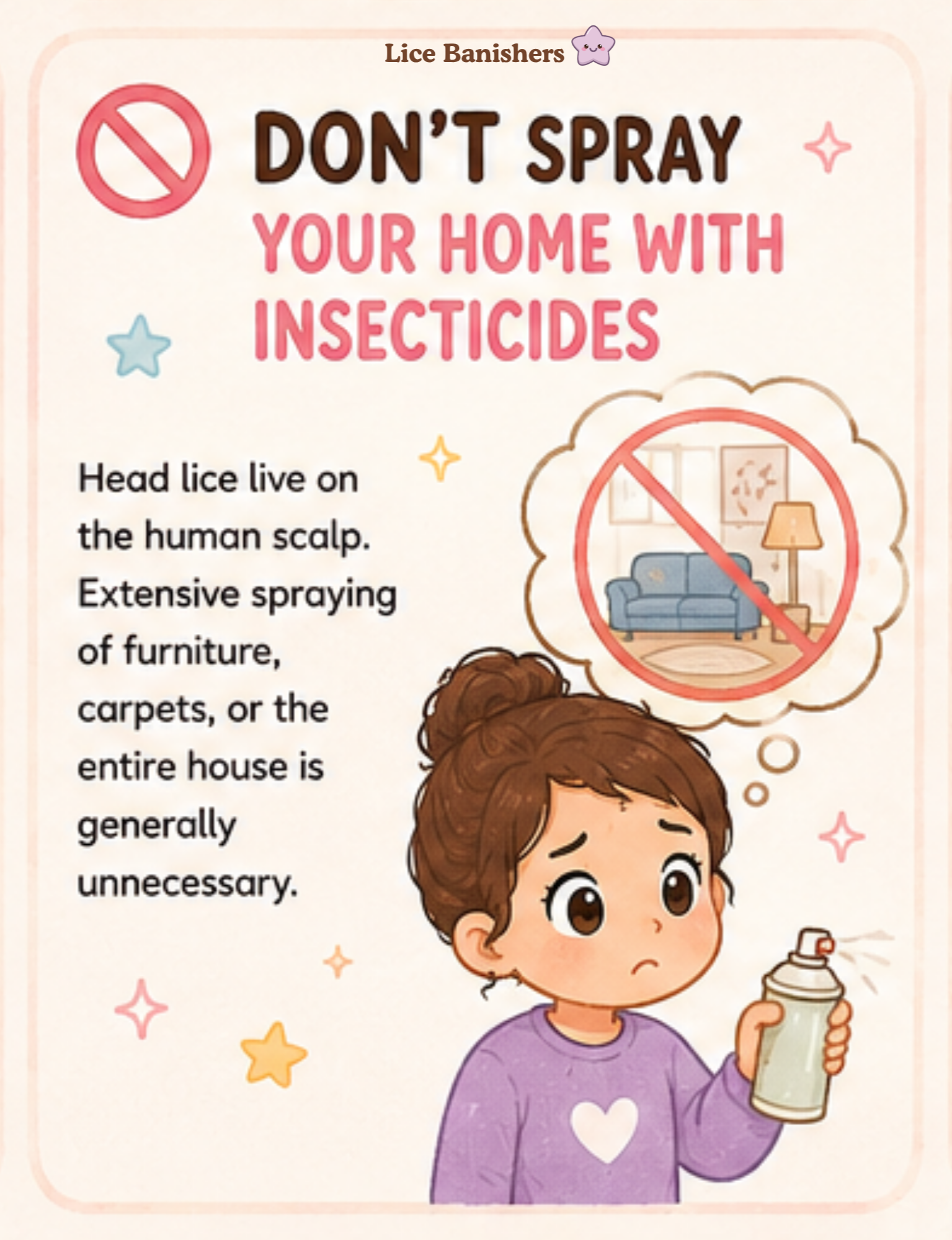
Finding head lice can be stressful, but some common reactions are unnecessary and may make the situation more difficult. Here are a few things you should avoid.
WHAT NOT TO DO WHEN YOUR CHILD HAS LICE
🌸 REMEMBER
Most head lice problems can be handled successfully when they are identified early and addressed correctly. Avoid common mistakes, follow trusted guidance, and don't hesitate to seek professional help if you're unsure what to do next.
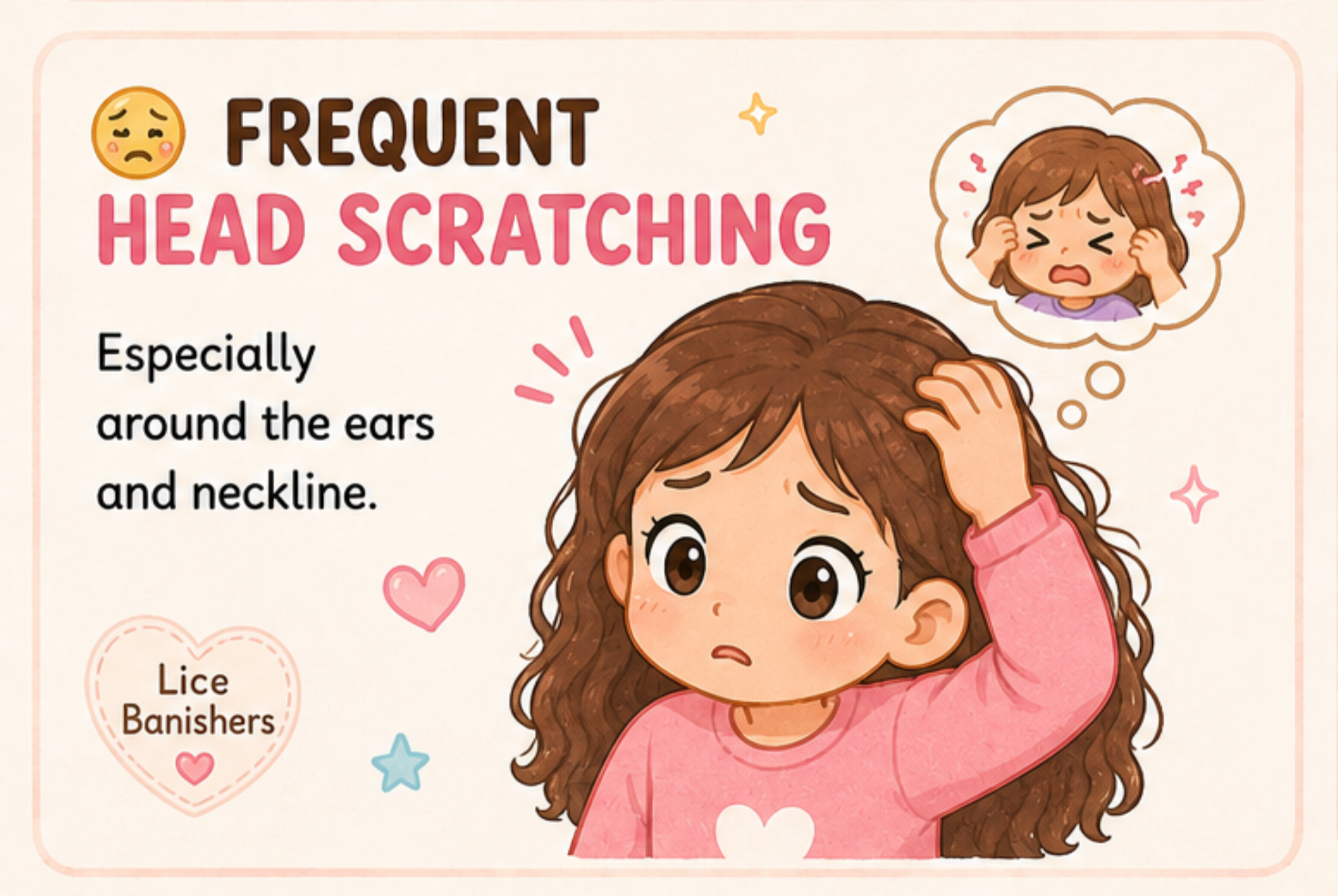
COMMON SIGNS OF AN ACTIVE LICE INFESTATION
Knowing the signs of an active lice infestation can help you take action sooner and avoid unnecessary treatments.

WHEN TO SEEK PROFESSIONAL HELP
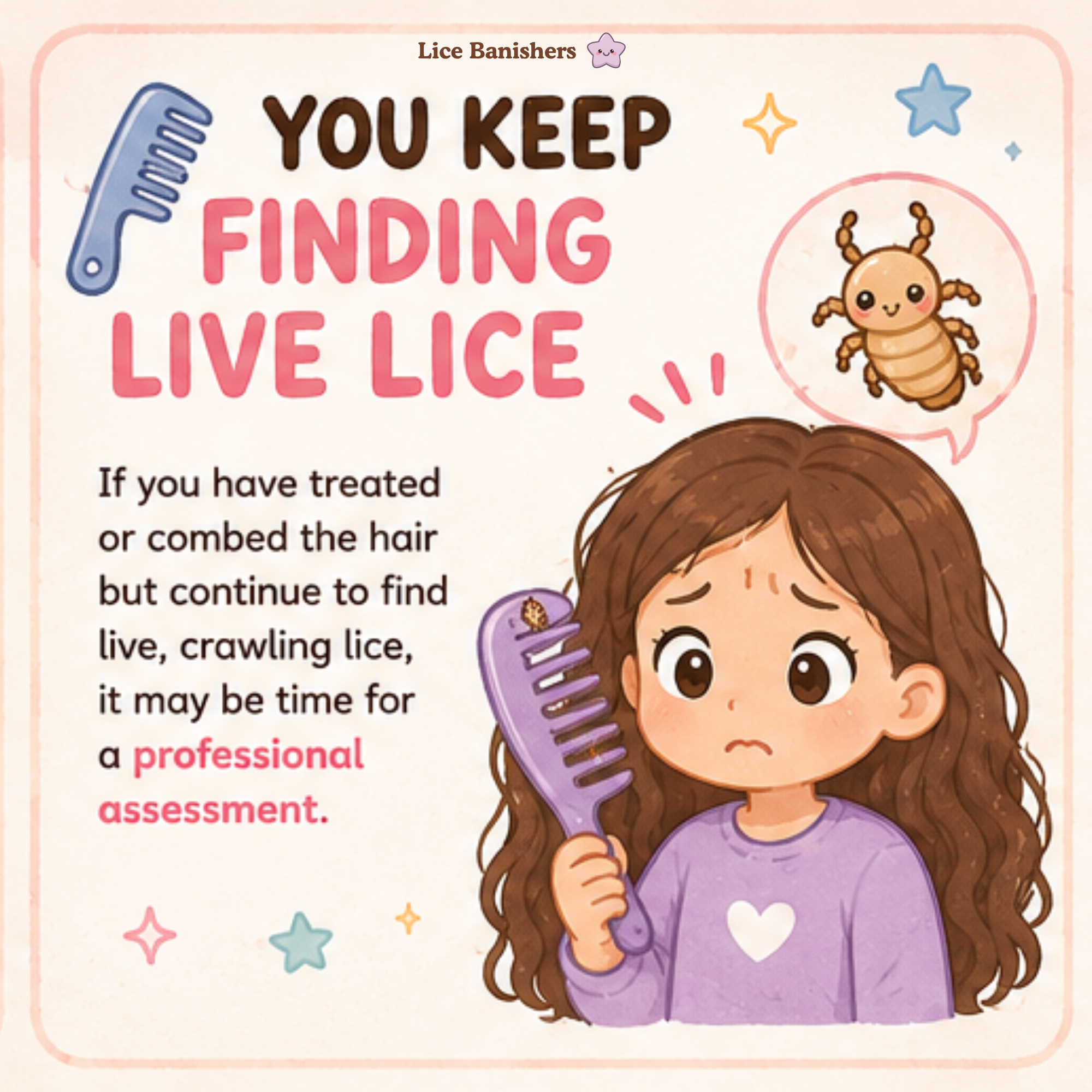
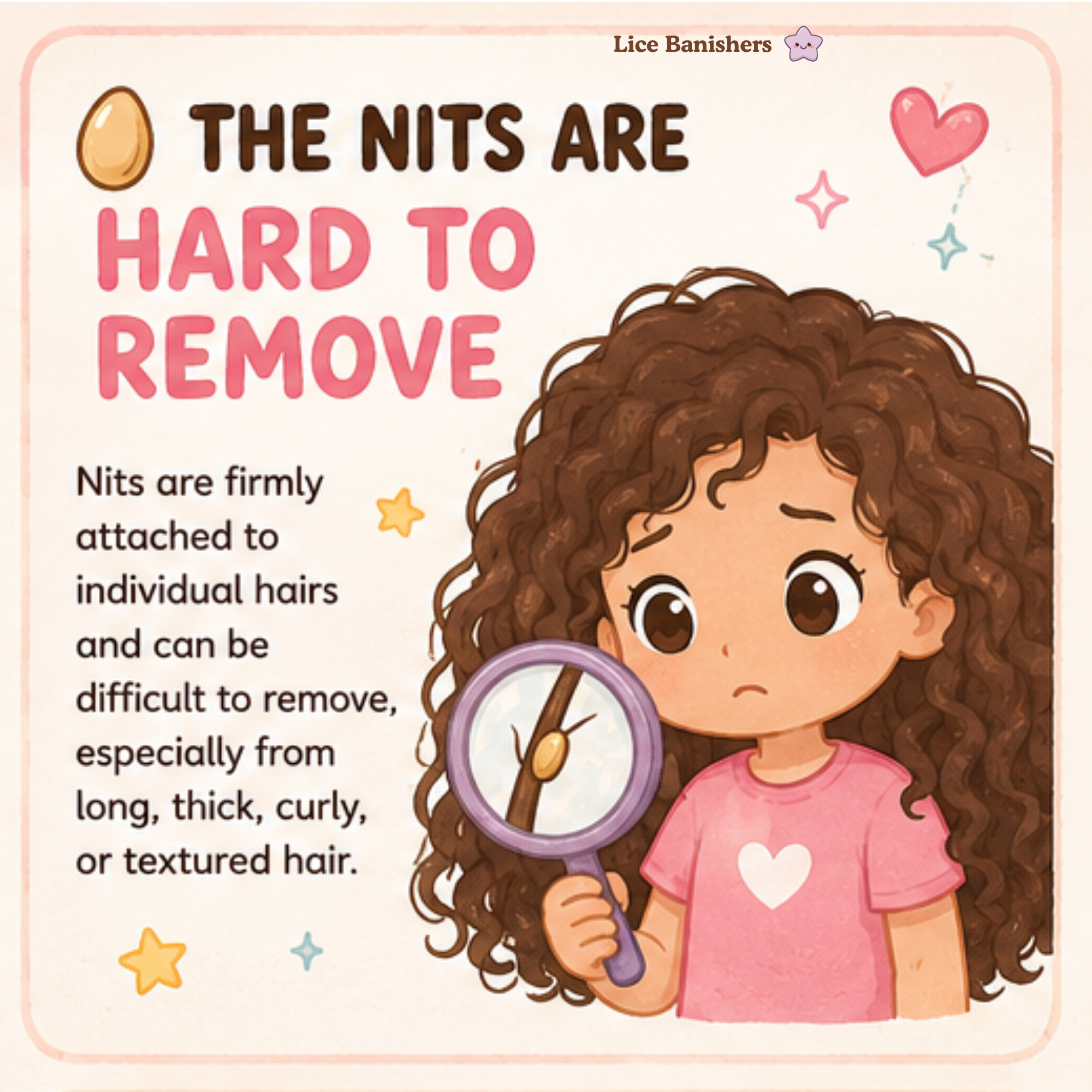
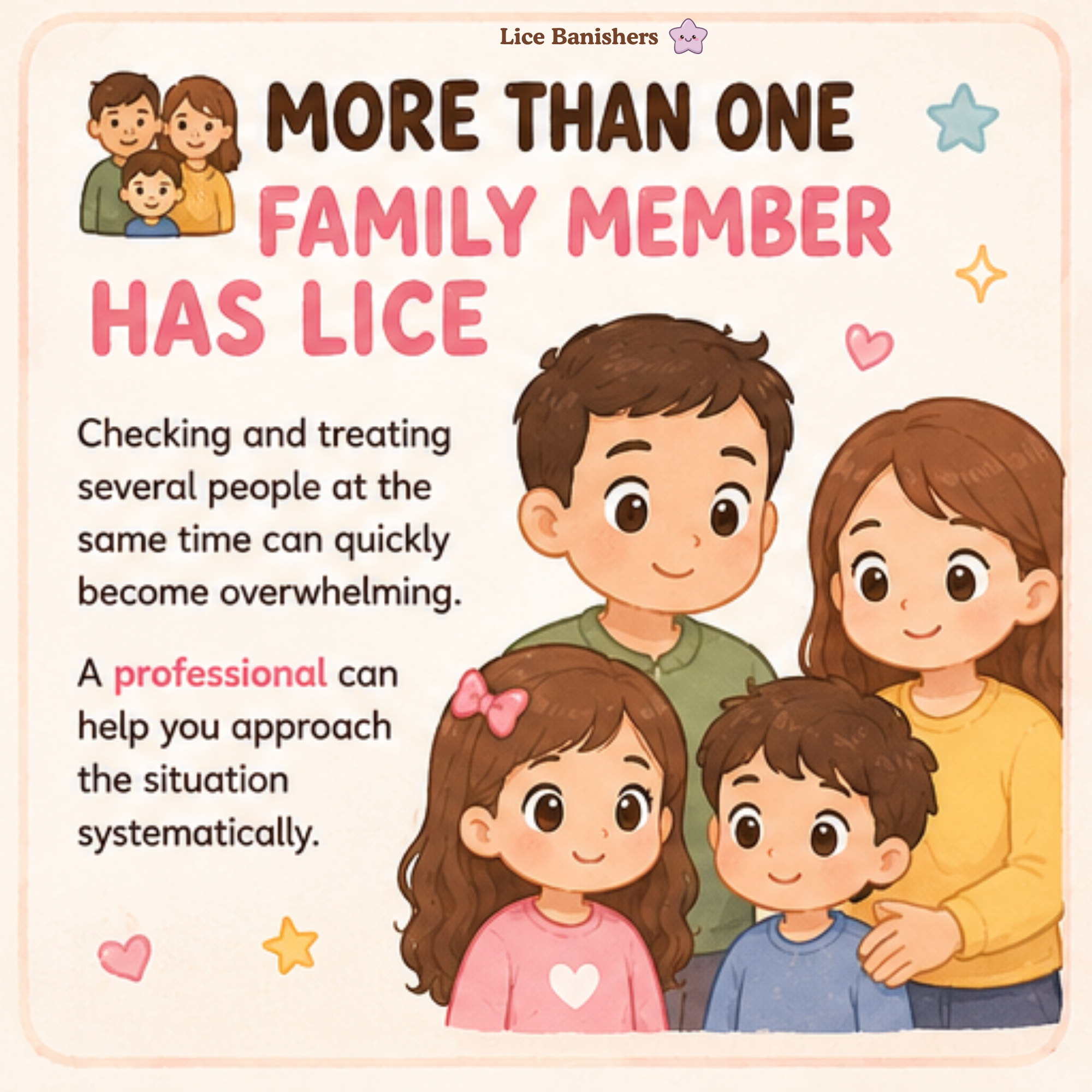
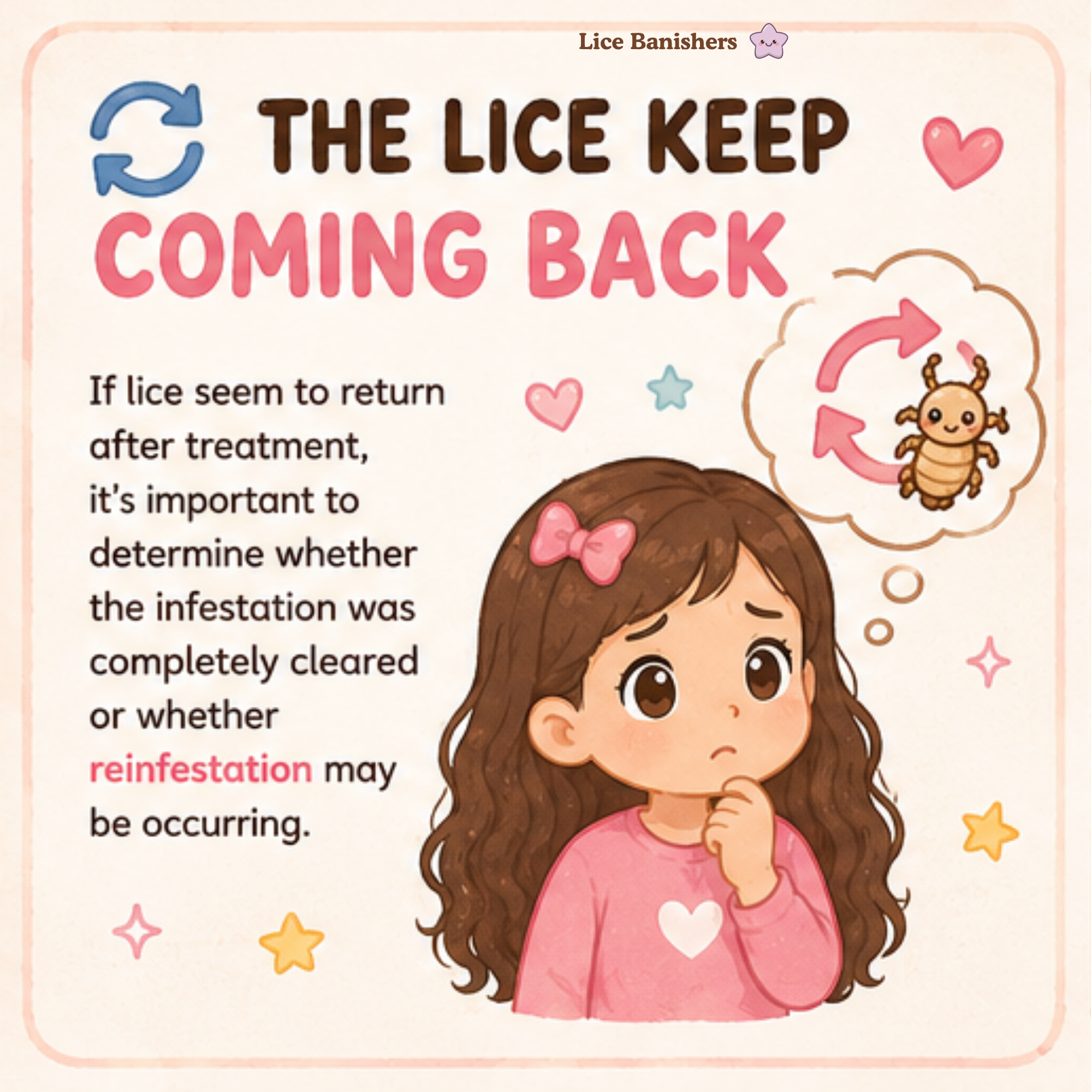
Sometimes, head lice can be managed at home. But there are times when getting professional help can save you time, frustration, and repeated treatments.
Consider professional help when:
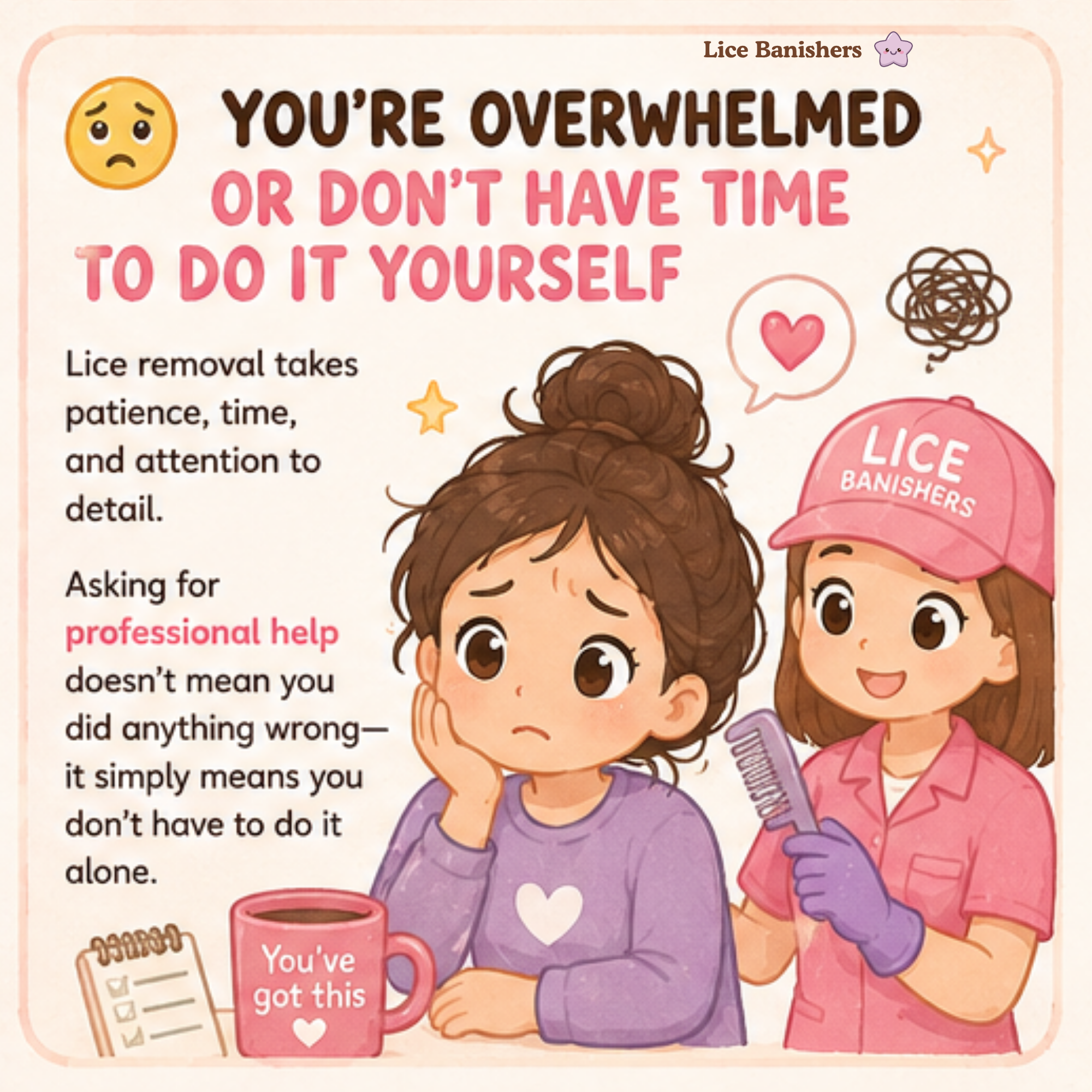
DON'T PANIC. GET THE RIGHT HELP.
Finding head lice can be stressful, but it is a common problem and does not mean your home or your child is dirty.
If you're unsure what you're seeing or you're having trouble getting rid of the lice and nits, professional lice removal can give you the extra help you need.
Lice Banisher provides private, in-home head lice screening and professional lice and nit removal for families who want experienced help without having to handle the process alone.
Not sure if it's lice? Start with a professional screening.